BetaVanabout is still in beta — expect rough edges while we keep building. Thanks for trying it early.

Scandinavia by campervan

Scandinavia is three countries that feel like one trip and drive like three. Denmark is short hops between coasts, Sweden is forest and distance, and Norway is the scenery you came for and the reason nothing here is quick — or cheap.
3routes
14–30nights

What a campervan trip in Scandinavia is actually like

The distances are the first thing to get right. Copenhagen to the North Cape is about 2,500 km before you have turned off for a single fjord, and Norway’s roads are slow by design: the coast is all inlets, so the road goes round them, and a ferry is part of the route rather than an alternative to it. A fortnight buys you one country, or one part of Norway. It does not buy you the map.

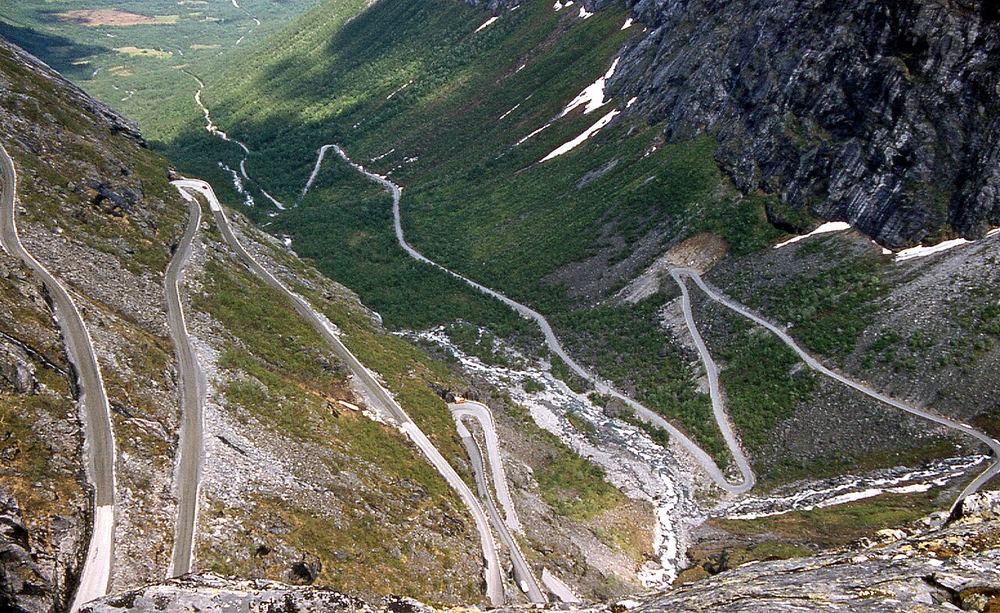
The season is short and it decides everything. North of the Arctic Circle the practical window is late June to mid-August, when the mountain roads are open and it never gets dark; Denmark and southern Sweden are comfortable from May to September. Outside that, campsites close in numbers and the high passes stay shut well into June — Trollstigen usually opens at the end of May and not before.

Camping is easy once you know the rule everyone gets wrong: the famous right to roam is for people on foot, not for vehicles. What you get instead is a dense network of good campsites, generous rest areas, and — in Norway and Sweden — a tolerance for one quiet night in a car park that vanishes the moment the awning comes out.

Routes in Scandinavia

Three published routes, and deliberately different lengths: a month-long lap to the North Cape and back, two weeks in the Lofoten islands, and two weeks around Denmark and southern Sweden. Every drive on all three is measured on real roads, and every overnight stop is a real campsite you can look up before you leave.

  1. North Cape Loop in 1 month

    • 30 nights
    • 26 stops
    • 6,133 km

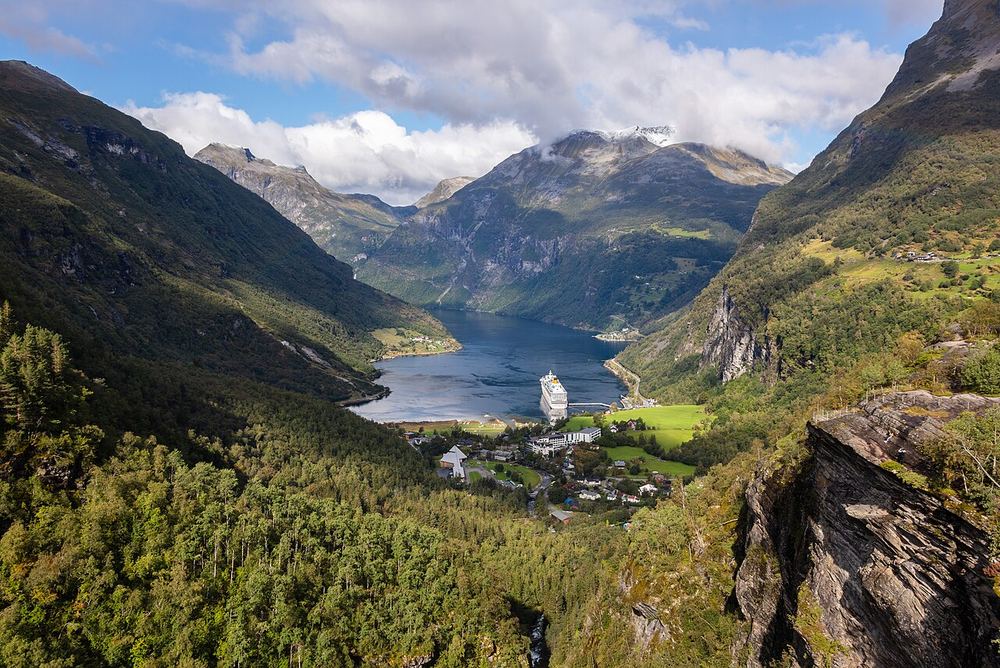
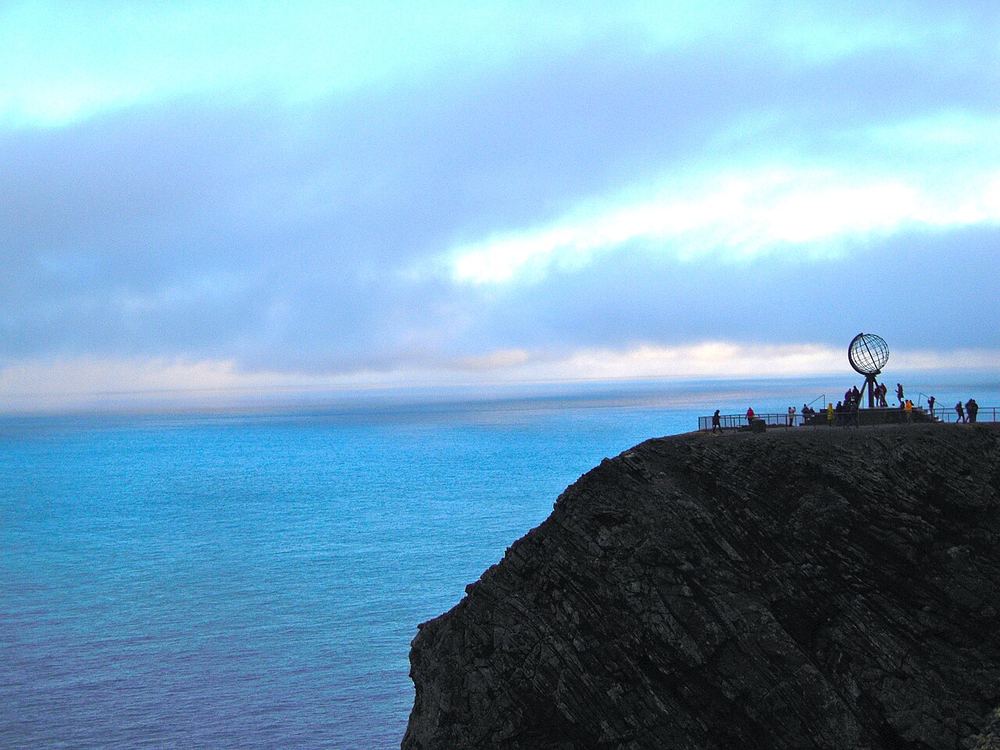
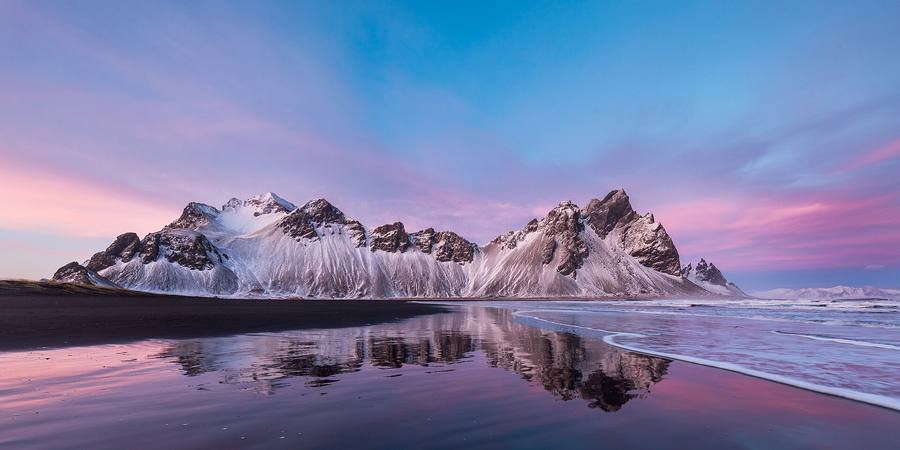
    A month-long lap from Copenhagen to the top of Europe and back: up the Norwegian coast through Bergen, Flåm and the Geirangerfjord, over Trollstigen and on through Tromsø to the North Cape, then home the inland way through Finnish Lapland, the Gulf of Bothnia and Stockholm. Long distances, but two nights wherever two nights are the point.

    Read the itinerary →
  2. Denmark and southern Sweden: a 2 week campervan road trip

    • 14 nights
    • 7 stops
    • 928 km

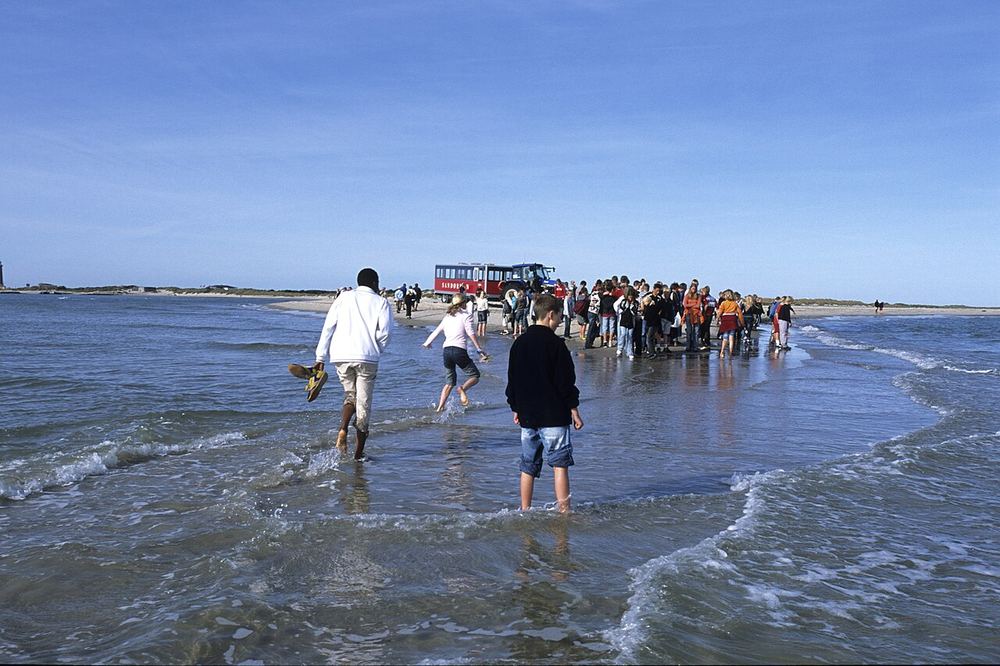
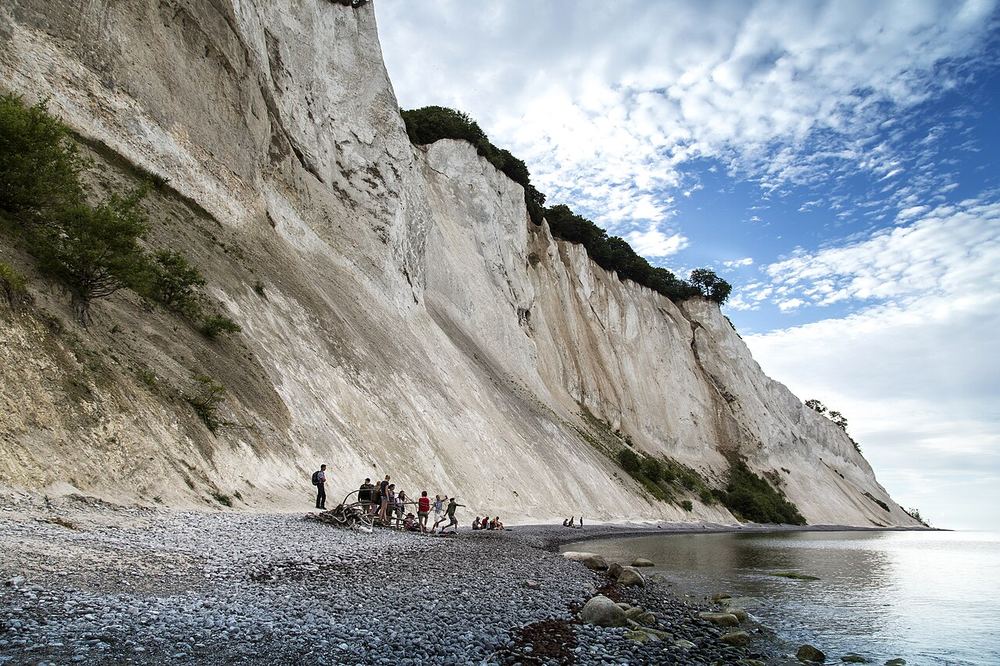
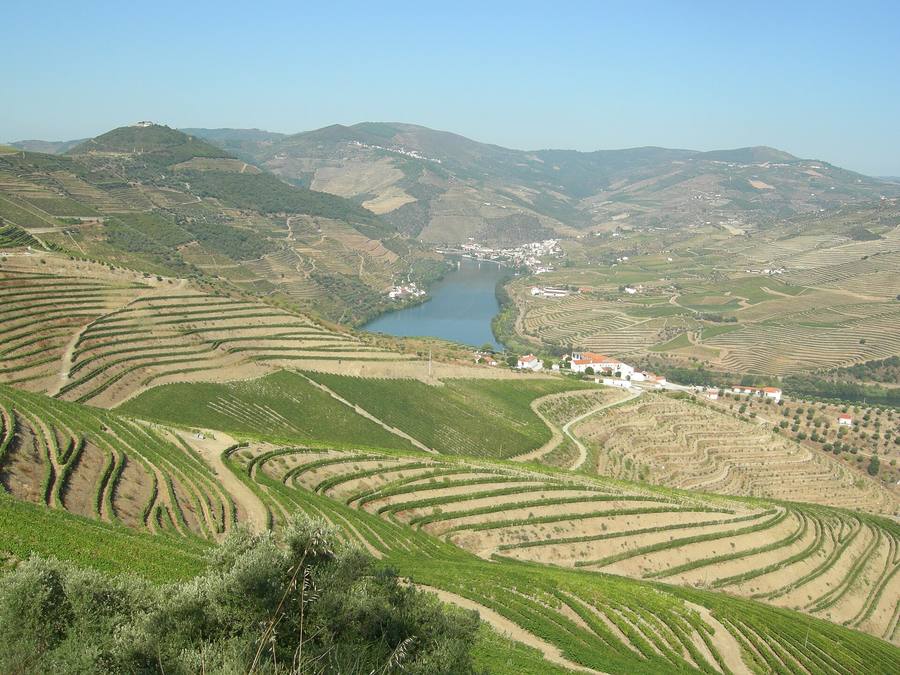
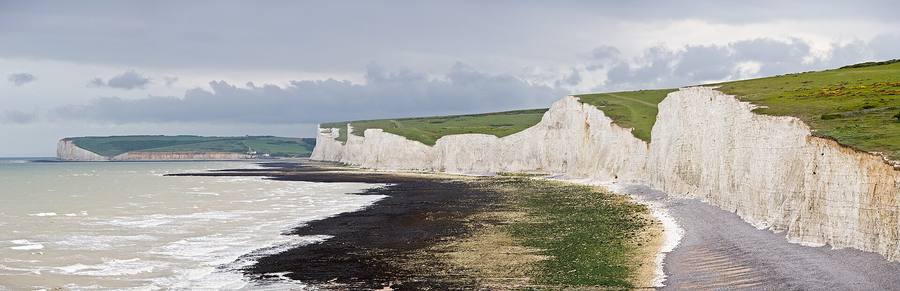
    A slow arc around the Kattegat and Øresund, from Skåne's chalk coast up to Skagen's dune tip and back down through Jutland's fishing villages to Møn's cliffs — big skies, short walks and harbour towns rather than motorway miles.

  3. Lofoten and Vesterålen: a 2 week campervan trip

    • 14 nights
    • 6 stops
    • 853 km

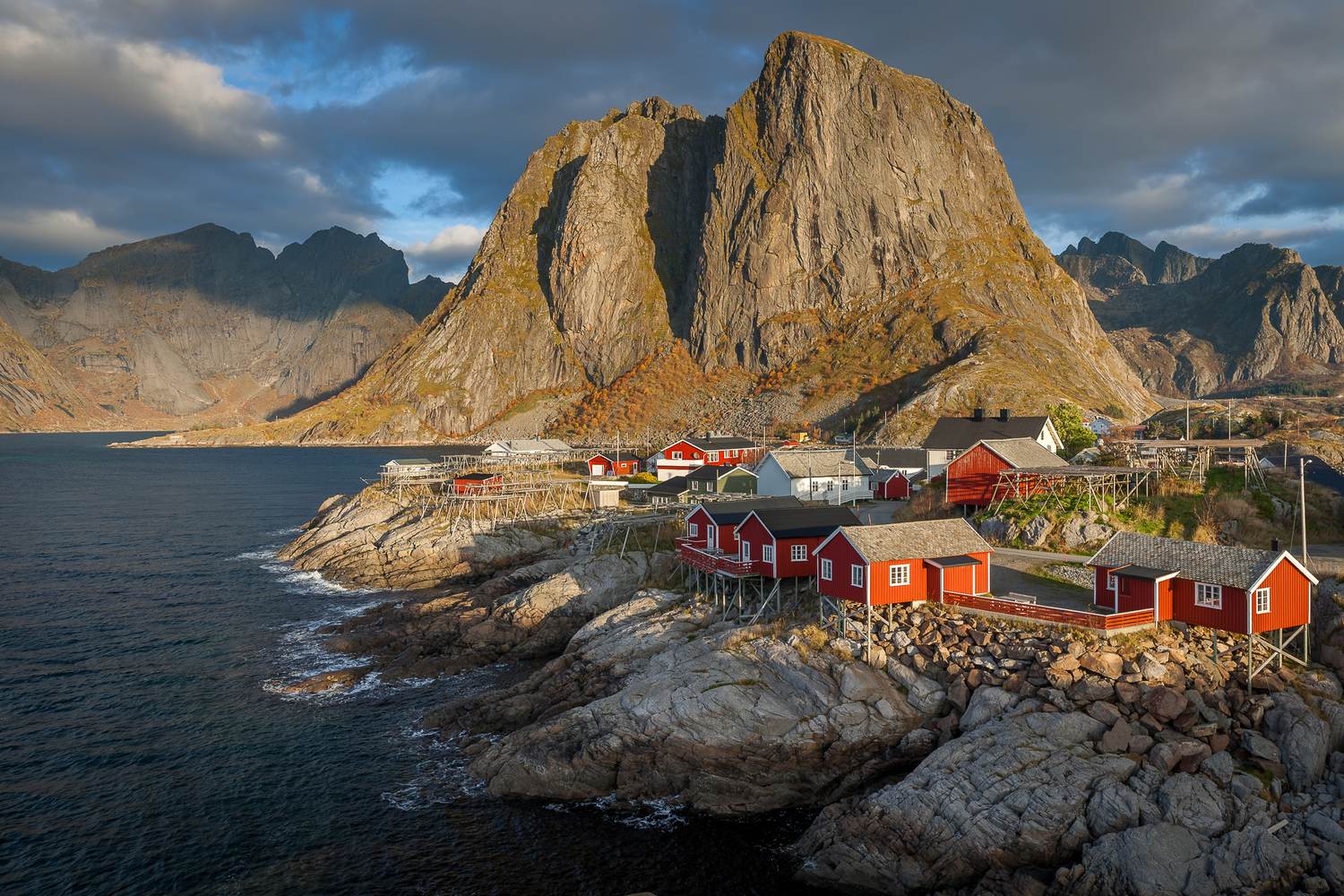
    An unhurried loop through Lofoten and Vesterålen, tracing fjord-side roads between fishing villages, sandy beaches and whale-watching waters, with a short ferry hop linking the two archipelagos. For travellers happy to trade miles for time on beaches, boats and mountain paths.

Top sights in Scandinavia

The places these routes are built around — and under each one, the route on this page that visits it.

When to go to Scandinavia

If you want one answer: July. North of the Arctic Circle late June to mid-August is the only reliable window; Denmark and southern Sweden are good from May to September, and better in June than in the Danish school holidays.

SummerJune – August

Everything is open — the mountain passes, the ferries, the campsites, the boat trips — and above the Arctic Circle the sun does not set, so an evening drive is still a drive in daylight. The only season in which the north is a sensible campervan trip.

Prices peak, the popular Norwegian sites and fjord ferries fill, and July in the north is mosquito season in earnest. Danish and German school holidays put the whole coast on the road at once from late June.

AutumnSeptember – October

The tundra and the birch forests turn, the roads empty within a fortnight, prices fall hard, and the aurora becomes possible again as soon as the nights draw in. The best value of the year for the south.

Campsites start closing from mid-September and the high roads shut with the first snow, which can arrive in September at altitude. Daylight shortens fast the further north you are.

WinterNovember – March

Aurora season proper, dog sledding and ice hotels, and an emptiness the summer never has. Hire is at its cheapest, and the Danish and southern Swedish coasts stay drivable throughout.

Most campsites north of Oslo are shut, winter tyres are a legal requirement, and in Tromsø the sun does not rise at all for six weeks. A van is cold, dark and slow to live in here. This is not a first Scandinavian campervan trip.

SpringApril – May

Snowmelt has every Norwegian waterfall at full volume, the light comes back quickly, the famous stops are nearly empty and hire is still cheap. Denmark and Skåne are at their freshest.

The mountain roads are the problem: Trollstigen and the high crossings usually open only at the end of May, some later, so a route planned over them in April does not exist. Many campsites open late, and the north is still winter.

Before you drive in Scandinavia

Driving

On the right, everywhere. Norway 80 on the open road, Sweden and Denmark up to 120 and 130 on motorways — but over 3.5 t laden it is 80 in Norway and Sweden and 70 outside towns in Denmark, whatever the sign says, and a larger motorhome is over that line. Drink-driving is 0.2‰ in Norway and Sweden against 0.5‰ in Denmark: in practice, nothing.

Transportstyrelsen

Where you may sleep

The right to roam does not cover vehicles — it is for people on foot, and driving off the road onto open land is separately banned. In Norway one night at a rest area is accepted; in Sweden you may park where parking is allowed, up to 24 hours; in Denmark there is no right to roam at all and overnighting belongs at a campsite or a marked autocamperplads. Chairs and an awning turn parking into camping everywhere.

Naturvårdsverket

Ferries and tolls

Norwegian tolls are automatic: no booths, cameras read the plate, and a foreign vehicle is billed afterwards unless it carries an AutoPASS tag. Most fjord ferries work the same way and simply charge you as you drive on. Denmark’s two big crossings, the Storebælt and Øresund bridges, are paid separately and are not cheap.

AutoPASS

Money

Three currencies — Danish, Swedish and Norwegian kroner — and effectively no cash: cards work at pumps, ferries and campsite gates. It is expensive, Norway most of all. Alcohol is sold through state monopolies (Vinmonopolet, Systembolaget) at prices that surprise people, so bring your duty-free allowance in with you.

Light

Above the Arctic Circle the sun does not set between late May and late July, which makes long driving days easy and sleeping harder — bring an eye mask. The same latitude gives you the polar night in December. Further south the summer evenings are merely very long.

Mountain roads

Norway’s high crossings are seasonal, not year-round: several open at the end of May and close again in October, and they can shut for a day in any month if the weather turns. Check the road administration’s status before committing to a pass rather than after driving to the barrier.

Statens vegvesen

Your licence

An EU or EEA licence is valid as it stands in all three countries. The 3.5 t line matters here as well as for speed: above it a motorhome is a different vehicle class and an ordinary category B licence no longer covers it, which catches people hiring the largest vans.

Language

English is spoken to a standard that will embarrass you, everywhere, including at campsite receptions in small places. Danish, Swedish and Norwegian are close enough that signs make sense once you have seen a few — and *utfart*, *rasteplass* and *tømmestasjon* are the three worth learning.

Practical notes last checked against their sources in August 2026. Rules change — the links go to the body that decides each one.

Questions people ask about Scandinavia

How do I plan a campervan trip in Scandinavia?

Pick one country, or one part of Norway, and let the season pick the dates. The distances defeat everything else: Copenhagen to the North Cape and back is a month and roughly 6,000 km, which is why the long route on this page is a month rather than a fortnight. Then work backwards from what is open — the northern window is late June to mid-August and the high passes are shut until the end of May — and book the ferries and the popular Norwegian campsites for July even if you book nothing else. That is the order Vanabout works in: start, dates and a daily driving limit in, the route built around them, every drive measured on the real roads and any day over your limit planned again rather than quietly left in.

Can I sleep in a campervan outside a campsite in Scandinavia?

Much less freely than the reputation suggests, and the rule is different in each country. The right to roam — allemannsretten in Norway, allemansrätten in Sweden — is a right for people on foot: Miljødirektoratet and Naturvårdsverket both state that it does not extend to motor vehicles, and in Norway driving off the road onto open land is separately prohibited by the motorferdselloven. In practice: in Norway you may spend a single night at a rest area, but not camp there; in Sweden you may park wherever parking is permitted, normally for up to 24 hours; and in Denmark, which has no right to roam at all, Naturstyrelsen is explicit that overnighting belongs at a campsite or a designated autocamperplads, with fines for getting it wrong. Everywhere, putting out chairs, a table or an awning turns a parked vehicle into a campsite and the tolerance disappears.

How long do you need to drive to the North Cape?

A month, if you want to enjoy it. It is about 2,500 km each way from Copenhagen and the return leg is not the same road if you have any sense, so the route on this page runs to roughly 6,000 km over 30 nights and still feels brisk in places. Three weeks is possible and means driving most days; two weeks means flying north and hiring there instead, which is what the Lofoten route on this page assumes.

Do I need to book the ferries in Norway?

For the short fjord crossings, no — they run frequently, you queue, you drive on and the toll system bills you. Book the ones that are journeys in their own right: the Lofoten crossings in summer, anything overnight, and the long coastal routes. In July a popular crossing can mean waiting for the next sailing, which is an hour rather than a disaster, but it is worth building the day so that missing one does not break it.

When can I see the midnight sun or the northern lights?

They are opposite seasons, and you cannot have both on one trip. The midnight sun runs from late May to late July above the Arctic Circle — in Lofoten roughly the end of May to mid-July. The aurora needs darkness, so it starts to become possible again in September and is at its most likely from October to March, which is exactly when the campervan season has ended in the north. A September trip to the far north is the nearest thing to a compromise.

Is Scandinavia as expensive as people say?

Norway is; Denmark and Sweden are merely expensive. The van and the fuel are the large items, and eating out will double a daily budget faster than anything else. Campsites are reasonable by comparison and the facilities are excellent. Travellers who cook in the van, drink the tap water — it is superb — and bring their duty-free alcohol allowance across the border spend a fraction of what others do.

Which country should I choose if I only have two weeks?

Norway, if the scenery is why you are coming, and fly to it rather than driving: two weeks from northern Germany is mostly motorway. Denmark and southern Sweden are the better fortnight if you are driving from home — short hops, coast the whole way, and the ferries and bridges are part of the fun. Both are routes on this page, so the decision is between two real itineraries rather than a hunch.
Plan your own Scandinavia campervan trip

Tell Vanabout when you are going, how far you are willing to drive in a day and what you cannot miss. You get a day-by-day route with real campsites, measured drives, and one link to share with everyone in the van.

Plan my trip — €4.99