BetaVanabout is still in beta — expect rough edges while we keep building. Thanks for trying it early.

Iceland by campervan

Iceland is a small country that drives big. One paved ring joins almost everything worth stopping for, and the weather decides what that ring costs you on any given day — which is why a campervan suits it and a fixed schedule does not.
2routes
239campsites indexed
7–14nights

What a campervan trip in Iceland is actually like

The Ring Road is the trip. It is a single paved loop of roughly 1,330 km around the edge of the island, and nearly everything a first visit wants is either on it or a short spur off it. Two lanes, no motorway, and long empty stretches between villages: the driving is rarely technical, but it is exposed, and a headwind can quietly add an hour to an afternoon you had planned to the minute.

Wind is what visitors underestimate, not ice. It tears doors off hire vans often enough that every rental contract has a clause about it, drives sand and volcanic grit hard enough to strip paint along the south coast, and shuts roads outright. The habit that matters is checking road conditions on the morning of each driving day rather than trusting a forecast written the night before — closures here are sudden and absolute.

Camping is well organised and legally narrow. Most sites run from late May to mid-September and shut for the winter, and outside them sleeping in a van is simply not allowed without the landowner’s permission — Iceland closed that door in 2015. The compensations are real: the sites are inexpensive, the hot water is geothermal and effectively endless, and the cold tap water is among the best you will ever drink.

Routes in Iceland

Two published routes: two weeks clockwise around the Ring Road from Reykjavík, with two nights at the places that deserve two, and one week out and back along the south coast for a first trip that does not try to lap the island. Every drive on both is measured on real roads, and every overnight stop is a real campsite you can look up before you leave.

  1. Ring Road in 2 weeks

    • 14 nights
    • 10 stops
    • 1,696 km

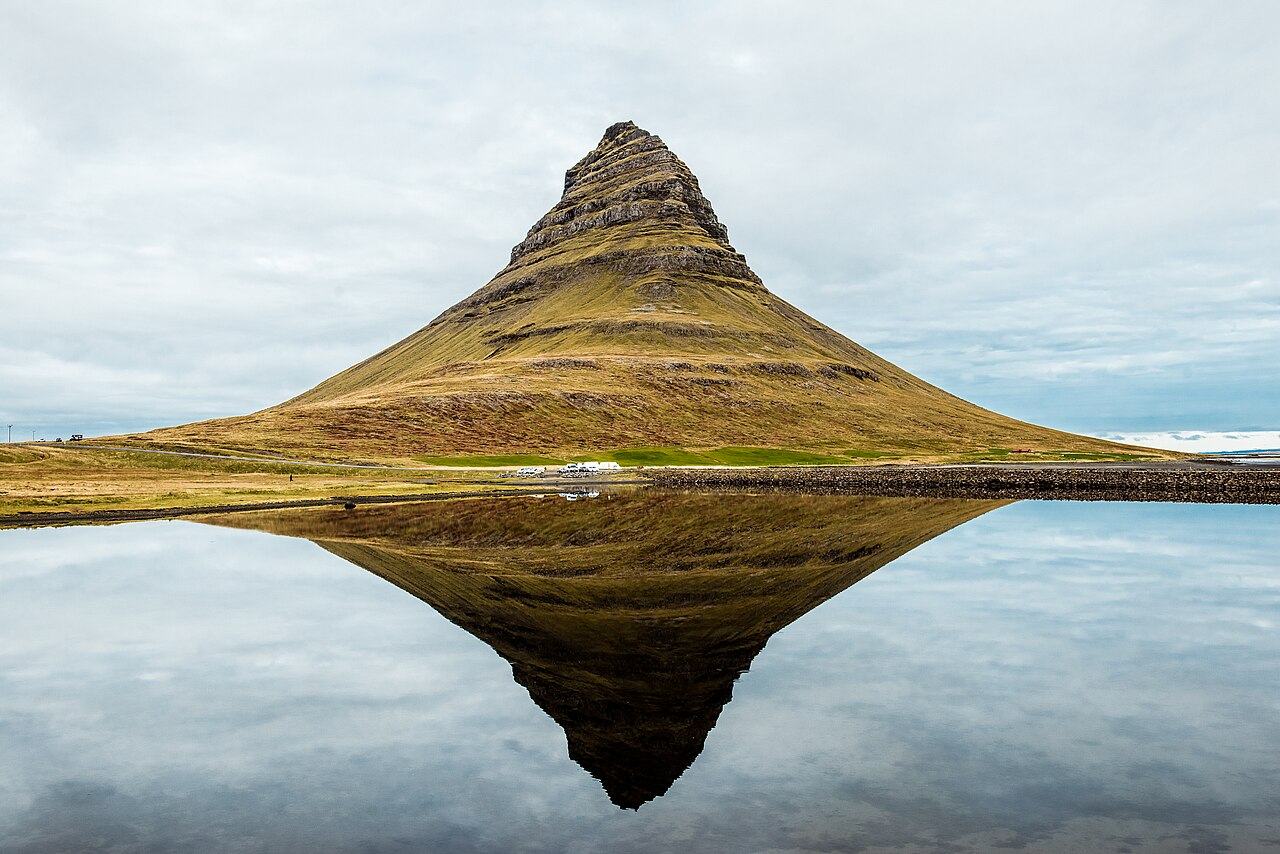
    A leisurely clockwise loop of Iceland's ring road, from Snæfellsnes lava coasts through Mývatn's craters and the fjord-hopping east to the glacier tongues at Skaftafell and Vík. Two-night stops build in real hiking time, ideal for an unhurried pair chasing waterfalls, volcanoes and ice.

    Read the itinerary →
  2. South Coast and Golden Circle by Campervan

    • 7 nights
    • 4 stops
    • 967 km

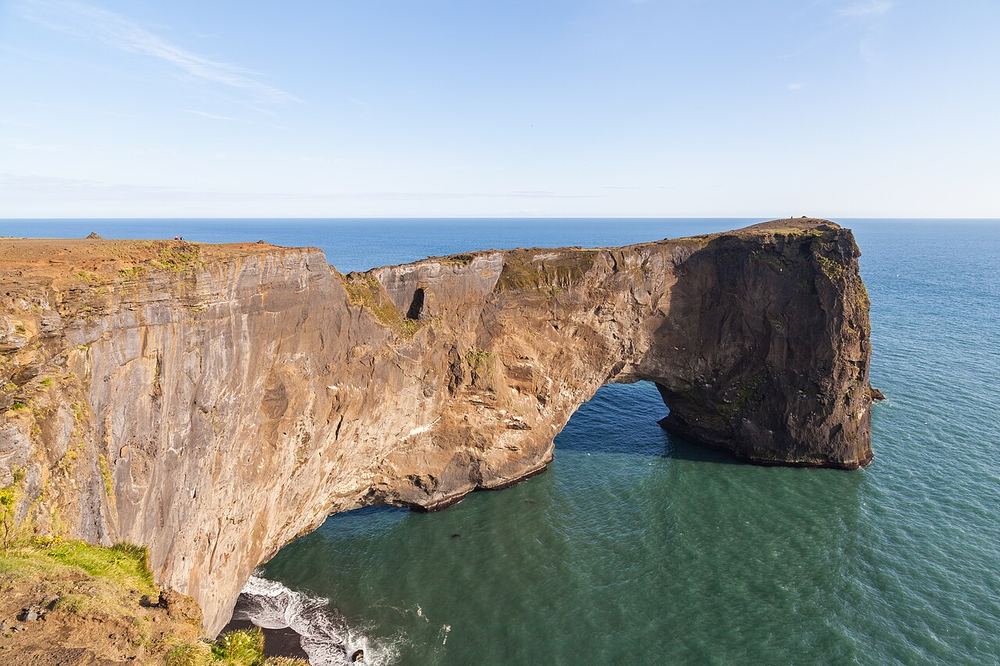
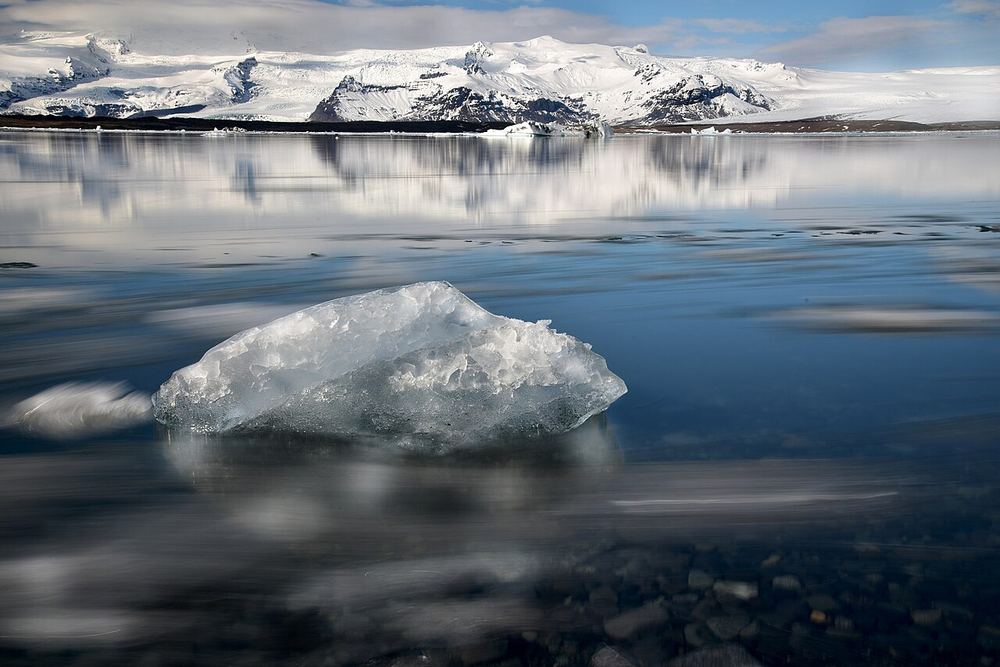
    An out-and-back along Iceland's south coast, from the Golden Circle's hot springs and canyons to glacier tongues, black beaches and the iceberg lagoon at Jökulsárlón before turning back through lava fields toward Reykjavík. An easy-paced drive suited to travellers who would rather linger at waterfalls than chase kilometres.

The campsites we plan from

We hold 239 campsites and caravan sites in Iceland in our own copy of OpenStreetMap — the list every route on this page was built from. Each one is a real, named place at real coordinates, so a campsite on one of these routes is somewhere you can check before you drive there.

Counted in our own campsite table at build time, from OpenStreetMap data (© OpenStreetMap contributors, ODbL).

Top sights in Iceland

The places these routes are built around — and under each one, the route on this page that visits it.

When to go to Iceland

If you want one answer: late June to early September. Every road is open, every campsite is running, and the nights barely get dark.

SummerJune – August

Everything is open — the Ring Road, the campsites, the highland tracks from around late June, and the boat trips. The nights barely darken, so arriving late still means arriving in daylight.

It is the busy season and priced like it. Campsites at the popular stops fill by evening, and the south-coast car parks are full of coaches by ten in the morning.

AutumnSeptember – October

The crowds thin out within a fortnight, prices fall, the tundra turns red and gold, and the aurora becomes possible again as soon as the nights draw in.

Campsites begin closing from mid-September and the highland tracks shut. Snow can arrive on the passes while it is still mild at sea level.

WinterNovember – March

Aurora season proper, ice caves that only exist now, and an island that feels like it belongs to whoever turned up. Van hire is at its cheapest of the year.

Very few campsites stay open, December gives four or five usable hours of daylight, and storms close the Ring Road at short notice. This is not a first campervan trip.

SpringApril – May

Daylight returns quickly, the coastal road clears, the waterfalls run hard on snowmelt, and you get the famous stops nearly to yourself.

Many campsites do not open until late May, the highlands are still shut, and the weather is at its most changeable — snow one day and sun the next.

Before you drive in Iceland

Driving

On the right. 50 km/h in towns, 80 on gravel, 90 on paved rural roads including most of the Ring Road. Single-lane bridges and blind rises are normal. Driving off marked roads is a criminal offence with fines running to hundreds of thousands of krónur — the damage takes decades to heal, so it is enforced.

Environment Agency of Iceland

Where you may sleep

A campsite, or the landowner’s permission. That is the whole list. Spending the night in a campervan, motorhome or car outside an organised campsite or an urban area is illegal, and unlike a tent there is no one-night exception for vehicles.

Environment Agency of Iceland

Wind and closures

Open the door downwind and hold it — torn-off doors are the commonest rental damage claim in the country. Check the road administration’s conditions map before each driving day; a road that was fine yesterday can be shut this morning.

Icelandic Road Administration

Your licence

Your own national licence is fine for a holiday if it is in the Latin alphabet and you have held it for at least a year. Hire companies set their own minimum age, usually 20 for a car and higher for a larger camper.

Water

Drink the tap water — it is glacial or spring-fed and better than anything you can buy. Do not buy it bottled. The hot tap smells of sulphur because it comes out of the ground hot; that is the geothermal supply working, not a fault.

Fuel

Fill up more often than you think, especially in the east and the Westfjords where stations are far apart and some are unmanned. Unmanned pumps want a card with a PIN, and some pre-authorise a large amount, so carry a card that allows it.

Money

The króna, and effectively cashless — cards work everywhere including car parks and pumps, and you can travel a fortnight without touching a note. Iceland is expensive; cooking in the van instead of eating out is the single biggest saving.

Daylight

In June it never truly gets dark, which makes long driving days easy and sleeping harder — bring an eye mask. In December there are four or five usable hours of light, so a winter itinerary has to be built around them rather than around distance.

Practical notes last checked against their sources in August 2026. Rules change — the links go to the body that decides each one.

Questions people ask about Iceland

How do I plan a campervan trip around Iceland?

Start with the number of nights, because that decides the shape. Two weeks lets you circle the Ring Road without rushing, with two nights at the places worth two — pick a direction and subtract two nights for Reykjavík at either end. A week does not lap the island honestly; go out and back along the south coast instead, which is what the shorter route on this page does. Either way: book campsites only where you must, keep a spare afternoon for weather, and check road conditions each morning rather than committing to a fixed arrival every day.

Can I sleep in a campervan outside a campsite in Iceland?

No. Spending the night in a campervan, motorhome, caravan or car outside an organised campsite or an urban area is illegal unless the landowner has given permission. The one-night exceptions people have read about apply to tents, not vehicles, and the rule was tightened in 2015 precisely because van travellers were treating the whole country as a campsite.

Do I need a four-wheel-drive campervan in Iceland?

Not for the Ring Road in summer — it is paved the whole way and a two-wheel-drive van handles it. You need a 4×4 only for the highland F-roads, where the law requires one and driving a 2WD voids your insurance. If your route stays on Route 1 and its paved spurs, the extra hire cost buys you nothing.

How long does it take to drive the Ring Road?

You can drive the 1,330 km in about 17 hours, which tells you nothing useful. A week is the practical minimum and means seeing it through a windscreen; ten days is comfortable; two weeks lets you stop twice where stopping twice is the point, such as Mývatn, Skaftafell and Snæfellsnes.

When do campsites in Iceland open?

Most open between mid-May and early June and close again between mid-September and early October, with a small number around Reykjavík and the larger towns staying open all year. Outside that window you cannot assume a site is running just because it appears on a map — check before you rely on it.

Is Iceland worth visiting outside the summer?

Yes, but not in a campervan for a first trip. September and May give you open roads, far fewer people and lower prices. Deep winter gives you the aurora and ice caves, but with most campsites shut, very short days and storms that close roads without much notice, it is a trip for someone who has done it before.

Do I need to book campsites in advance?

Usually not — most Icelandic campsites do not take bookings at all and work on turn up and pay. In July and August the popular sites do fill, so arriving in the afternoon rather than the evening matters more than reserving. Where a site does take bookings, the routes on this page name it so you can check.

How expensive is a campervan trip in Iceland?

Expensive, and honestly so: van hire and fuel are the big items, and eating out will double your daily spend. Campsites themselves are among the cheapest parts of the trip. Travellers who cook in the van, drink the tap water and swim in municipal geothermal pools rather than the branded lagoons spend a fraction of what others do.
Plan your own Iceland campervan trip

Tell Vanabout when you are going, how far you are willing to drive in a day and what you cannot miss. You get a day-by-day route with real campsites, measured drives, and one link to share with everyone in the van.

Plan my trip — €4.99